Aunque tímidamente en el mundo hispano, el número de académicos y estudiantes interesados en el rap y en el hiphop como un objeto de estudio crece, por lo que les dejo unas cuantas referencias para acercarse al movimiento, la mayoría disponibles online.
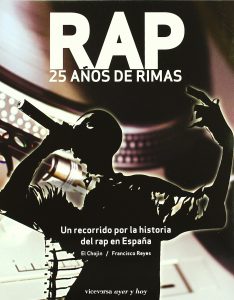
1. Edjang Moreno, D. A. [Chojin] y Reyes, F. (2010). 25 años de rimas. Barcelona: Viceversa ayer y hoy.
-
- Este libro escrito por el Chojin y Francisco Reyes (profesor de comunicación en la UCM) es la mayor, mejor y única historia del rap en España, desde sus orígenes en los ochenta hasta 2009 (donde se publica el libro). Cuenta con una infinidad de referencias a los discos, grupos y autores de cada año, así como testimonios y reflexiones de los autores que formaron parte de dicha historia, entre las reflexiones y los análisis de la evolución del movimiento en sus distintas etapas. Desgraciadamente, el libro está descatalogado, por lo que podéis intentar contactar con los autores para conseguir un ejemplar.
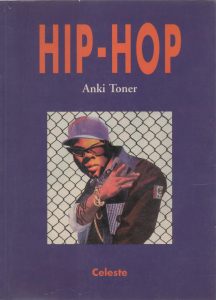
2. Toner, A. (1998). Hip-hop. Madrid: Celeste.
-
- Esta historia del rap estadounidense (hasta 1998) es uno de los pocos libros escritos en español (y en España) sobre el movimiento. Similar a 25 años de rimas, recopila y comenta diversos hechos y discos del hiphop al otro lado del charco.
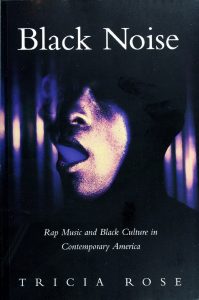
3. Rose, T. (1994). Black noise: Rap music and black culture in contemporary America. Connecticut: Wesleyan University Press.
-
-
- Tricia Rose es profesora de la Universidad de Brown y pionera en lo que a estudios sobre el rap se refieren. Este libro es uno de los primeros escritos sobre el movimiento, donde se analizan las posibilidades y potencias del rap, en un claro tono defensivo a la par que crítico (especialmente con cuestiones de género y racismo), necesario para una cultura en ciernes. Se hace especial hincapié en el carácter negro del rap, tanto en la música como en las letras del movimiento, surgidas de una comunidad racialmente discriminada.
-
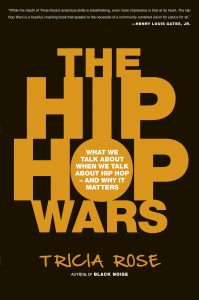
4. Rose, T. (2017). The hip hop wars: What we talk about when we talk about hip hop―and why it matters. New York: Perseus Books Group.
-
- Un par de décadas más tarde, Tricia Rose se ve obligada a publicar un libro más crítico con el hiphop, especialmente con la faceta comercial de este. La industria ha fomentado los estereotipos del movimiento, destrozando y explotando la cultura para su propio beneficio. Se analizan los diez principales debates que todos tenemos con iniciados y legos del hiphop, desde la agresividad y violencia hasta el sexismo o la faceta más oscura del keep it real.
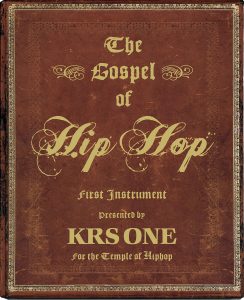
5. KRS-One. (2009). The Gospel of Hip Hop: First instrument. New York: PowerHouse Books.
-
- Escrito por la leyenda del rap estadounidense KRS-One, se recogen en este libro elementos fundamentales del movimiento a nivel espiritual, a modo de reflexiones, análisis y definiciones (por ejemplo, la diferencia entre Hip Hop –como fuerza espiritual–, Hiphop –como cultura– y hip-hop –música rap–). El carácter profético del libro no debe evitarnos entender su sistematicidad vital, pues no solo nos habla de la historia y sentido del hiphop, sino de hábitos de vida saludable, virtudes morales, actitudes deseables… Ideal, quizás, para ordenar la vida de un adolescente del Bronx, o de cualquier joven con necesidades y carencias de referentes.
6. Charnas, D. (2010). The big payback: the history of the business of hip-hop. New York: New American Library.
-
- Una historia del hiphop centrada en la parte comercial e industrial del movimiento, contada por D. Charnas, quien estuvo muchos años en el negocio. Nos muestra de primera mano la faceta oscura de la industria, aunque también hace notar la importancia de grandes amantes del hiphop que apoyaron el movimiento desde su faceta comercial, como el archiconocido Russell Simmons y Rick Rubins (CEOs de Def Jam) o Mr. Magno (presentador de radio).

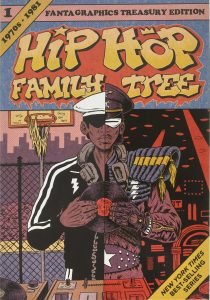
7. Piskor, E. (2013). Hip Hop Family Tree Book 1: 1970s–1981. Washington: Fantagraphics Books.
-
- Una historia del hiphop en forma de cómic, con anécdotas, hechos históricos y conversaciones simbólicas de los pioneros del movimiento. La obra completa son cuatro tomos (aunque se ha publicado también en varios fascículos).
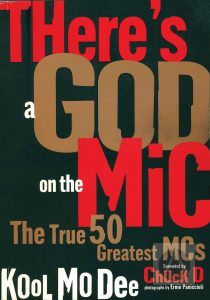
8. Kool Moe Dee. (2003). There’s a God on the mic: the true 50 greatest MCs. New York: Thunder’s Mouth Press.
-
- Este pionerísimo del hiphop nos presenta un recopilatorio de los cincuenta mejores MCs (es decir, quienes escriben y defienden sus letras en un escenario) de la escena estadounidense, desde Lauryn Hill hasta Rakim. A pesar de la subjetividad de la cuestión, una serie de criterios escogidos por el autor, como mensaje, flow o longevidad, le permiten poner una nota a los distintos MCs y clasificarlos de manera (relativamente) científica.
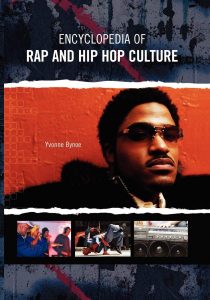
9. Bynoe, Y. (2006). Encyclopedia of rap and hip hop culture. Westport: Greenwood.
-
- Una enciclopedia de términos y artistas relacionados con el hiphop, desde Afrika Bambaataa hasta Zulu Nation, pasando por definiciones del rap gánster o el conciencia, de movimientos importantes como el Stop the Violence Movement o el Black Power Movement.
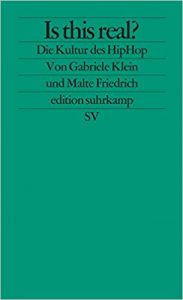
10. Klein, G. y Friedrich, M. (2003). Is this real?: Die Kultur des HipHop. Frankfurt am Main: Suhrkamp.
-
- Análisis del carácter híbrido del rap, entre la internacionalización y el localismo, entre la pureza y la autenticidad, entre la profundidad de la escritura en silencio y la teatralidad de la puesta en escena. Eso sí, en alemán, lo cual me sirve de excusa para comentar que la escena académica respecto al hiphop de este país nórdico está tremendamente avanzada, igual que la estadounidense (esta última por razones obvias). Hay decenas (si no cientos) de libros publicados al respecto, se organizan jornadas de conferencias, se estudia en las universidades y se enseña en los colegios…
Bonus track. Aunque el trap es… otra cosa, aprovecho esta entrada para recoger dos libros publicados al respecto en español sobre este tema.
1. Castro, E. (2019). El Trap: filosofía millennial para la crisis en España. Madrid: Errata naturae.
-
- Reflexiones de carácter filosófico (y subjetivo) acerca del trap, incluyendo su tratamiento mediático, sus grandes referentes y las situaciones que lo explican, proponiéndolo como una expresión de una generación precarizada y sin esperanza, que recoge y por lo tanto explica la situación de los jóvenes más desfavorecidos (que son mayoría) de nuestra época.

2. García, J. I. (2018). Historia del trap en España. Desde los orígenes hasta nuestros días. Autopublicado.
-
- El título de este libro dice mucho de su interior. Se recoge en él el origen del trap en Atlanta, su llegada a España, sus principales referentes y las características que lo explican, con datos y análisis de las situaciones sociales en las zonas en las que surge este movimiento, así como las similitudes con otros movimientos como el rap gánster. Disponible de manera gratuita, pónganse en contacto con el autor: @SavageNENO

Pues eso, a leer. Do your homework!